
What Rise With Respect Really Means at Boys Home of Virginia
How Bob Used Sports to Teach Young Men About Life
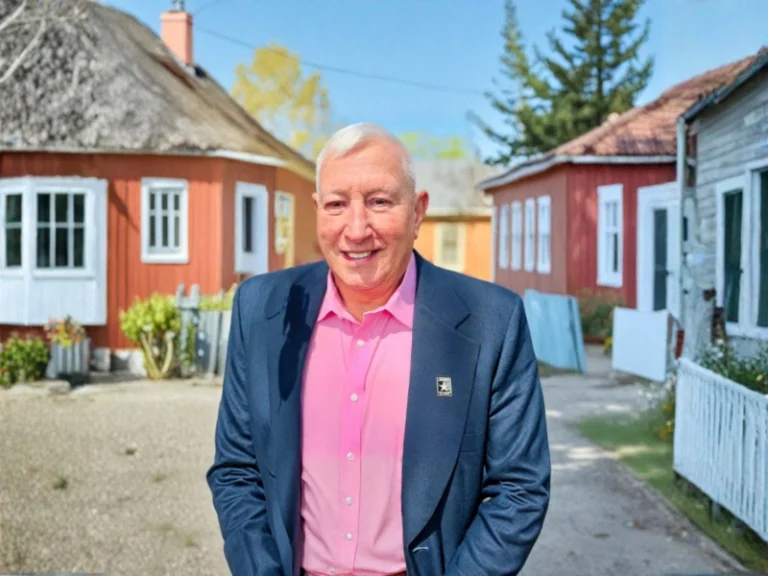
Bob Huffman did more than coach basketball and baseball at Boys Home of Virginia for 13 years. He helped raise young men. From 1970 to 1983, Bob and his late wife, Polly, lived in Brown Cottage as house parents to 13 boys while Bob served as the school’s basketball and baseball coach, eventually becoming Athletic Director.
It was a family affair. Bob’s mother, Ruth Huffman, also worked as a house parent. His brother and sister-in-law did too. At one point, five members of the Huffman family served at Boys Home simultaneously, all dedicated to the same mission: giving young men hope and direction.
For Bob, the work wasn’t just about winning games. It was about teaching young men who often arrived “blind” or without hope that they could become something better through hard work, discipline, and respect.
“We used athletics to mold young men into gentlemen,” Bob recalls. “As their skills improved, they took more pride in themselves. They became respected by their peers and the community.”
What Rise with Respect Really Means
While Bob doesn’t remember using the phrase “Rise with Respect” as a daily slogan, this year’s school theme defined everything he did. It meant instilling hope in young men who didn’t believe in themselves. It meant teaching honor to those who hadn’t experienced it.
Respect had to be earned. Bob taught young men that it came through how they carried themselves, how they treated people around them, and what they did when things got hard.
What Bob understood back then, researchers are now confirming through studies on youth development. Adolescents connect respect with prosocial behavior and fairness. They respect kindness and helping others more than personal achievement. When young people get treated with respect and have a real voice in their communities, they become more prosocial and less aggressive.
Bob didn’t need studies to tell him this worked. He saw it every day. Young men showed up angry, sometimes totally lost. Over time, they learned to work with teammates. They followed through on commitments. They took pride in doing things right.
Years later, Mark Casstevens tracked Bob down. He told him he still remembered everything Bob taught about honor and being your best self.
“These boys needed someone to believe in them,” Bob says. “Once they saw what they could accomplish, everything changed.”
Using Sports to Teach Life
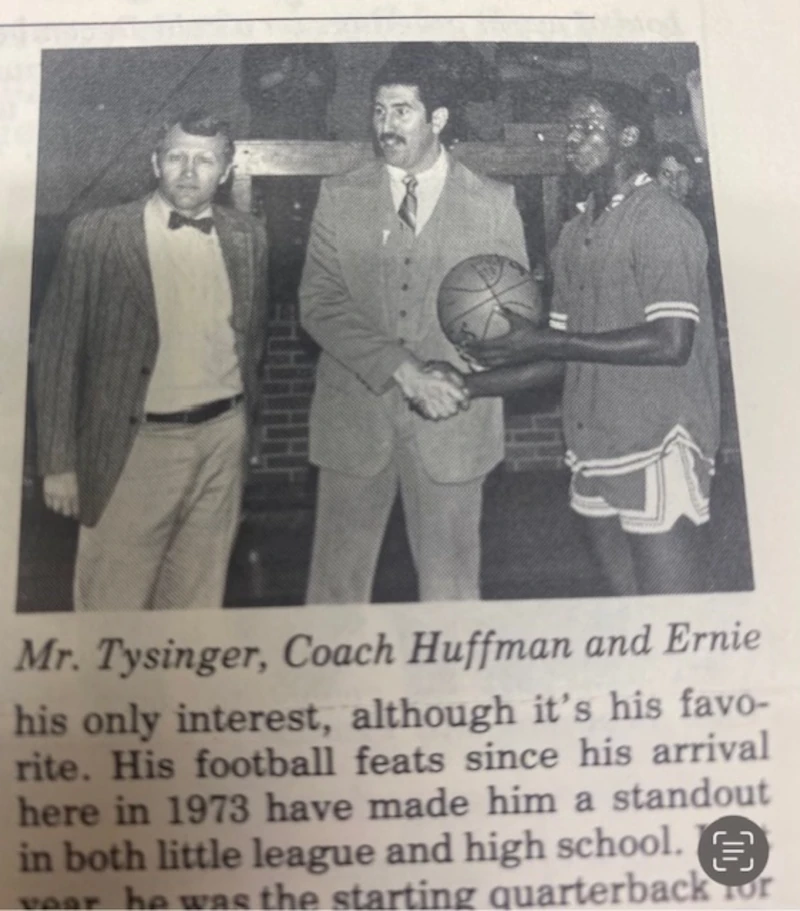
Bob took over as Athletic Director from Paul Siple, who’d built a solid program. Bob kept building on it. Sports became more than games or practice. They became a place to learn skills you’d use your whole life.
What boys learned on the basketball court:
- How to talk to each other when things got intense
- How to lose without completely falling apart
- How to be happy when a teammate did well
What baseball taught them:
- Patience (lots of waiting in baseball)
- Real teamwork, not just talk
- Being accountable to the guys counting on you
Both sports showed them the same thing about respect. You earn it by showing up, doing the work, and treating the other team right, even when you lose.
Bob watched the boys change as they got better at sports. Other students started seeing them differently. People in town noticed. But the biggest change? The boys saw themselves differently.
What Bob Learned Too
Working at Boys Home changed the young men Bob coached. It also changed Bob.
He left in 1983 and joined the Virginia Army National Guard. Spent 38 years there. Retired as Command Sergeant Major. All that patience he’d learned with the students? All that ability to set an example instead of just barking orders? He needed every bit of it with soldiers.
Soldiers needed the same things the young men in Brown Cottage needed. Someone patient. Someone who’d show them instead of just telling them, and someone who understood people move at different speeds.
“My time at Boys Home taught me how to work with people,” Bob says now. “You learn patience. You learn your example matters more than your words.”
Bob’s not in the military anymore. These days, he chairs Crater Community Hospice and a “We Honor Veterans” committee. Still using those same lessons.
A Family Legacy at Boys Home of Virginia
Bob grew up around here and went to school with students from Boys Home before he worked there. He was friends with Donnie Wheatley, who later served as Executive Director at Boys Home. Paul Siple even mentored him. His connection to Boys Home went back a long way.
That made the 13 years he spent there even more meaningful.
His kids grew up around Boys Home. They benefited from that discipline and community. The Huffman family learned together:
- Honor matters in how you live
- Hard work is how you show respect
- How you treat people says everything about who you are
More Than Our School’s Theme
“Rise with Respect” is more than just a slogan or yearly theme. When Bob was here, respect was about seeing potential in kids who couldn’t see it themselves yet. Believing that sports, discipline, plus genuine care could turn boys into men. Proving every day that respect gets taught and earned at the same time, mostly through example.
Bob’s legacy is still around. Former players remember what he taught them. Military leaders he mentored use what they learned from him. Veterans now benefit from decades of practicing what he preached. Boys Home of Virginia keeps doing the same work, helping young men rise with respect.
Want to learn more about how Boys Home develops young men through respect, discipline, and opportunity? Contact us today to discover if our program is right for your son.