
Early Intervention in Education Alters Students’ Trajectories
Warning Signs Your Son May Need Early Intervention
Are you watching your son slip away? It may have started with attitude and disrespect that went from occasional to constant. Or grades that dropped from Bs to Ds, and now he doesn’t even try. It may be the friends he’s choosing or explosive behavior over ‘nothing.’ Or maybe he’s completely shut down.
You’ve tried everything you can think of: Consequences, talking, and asking for help. You wonder when this behavior will change and what you can do about it.
Here’s what you need to know: there’s a critical window when early intervention in education can completely redirect a young man’s path. Boys Home of Virginia exists for exactly this moment – when your son needs more than his current situation provides, but before things escalate into the kind of crisis that limits your options.
Who Boys Home of Virginia Serves
Boys Home offers early academic intervention and character development for young men in grades 6-12 who have the potential to succeed but need guidance and opportunities.
Families typically come to Boys Home when traditional home or school settings are no longer enough.
Common challenges include:
- Academic difficulties – falling behind in school despite support, trouble focusing, or lack of motivation
- Behavioral concerns – poor decision-making, defiance, or difficulty accepting authority
- Social struggles – isolation, negative peer influences, or trouble building healthy friendships
- Family circumstances – situations where the family cannot provide needed structure due to stress, conflict, or other challenges
- Low self-esteem affecting school performance
- Lack of positive male role models
Boys Home is not a locked or therapeutic facility. What we don’t provide is intensive mental health treatment, substance abuse rehabilitation, or therapeutic services for serious behavioral disorders. We’re not equipped for young men with violent histories, major criminal involvement, or severe emotional needs requiring specialized treatment.
Our mission centers on prevention— catching students before they fall behind so dramatically that recovery becomes significantly more challenging.
Warning Signs Your Son May Need Early Intervention

Parents and schools may see signs that suggest residential education is appropriate. Research shows that certain behavioral and academic patterns in elementary and middle school years predict serious problems later. Parents and guardians should watch for these signs:
Academic Red Flags
- Frequent academic failures or poor grades despite tutoring or support
- Grades are dropping steadily over time, not just one bad semester
- Increasing disengagement from schoolwork
- Avoiding homework or lying about assignments
- Teachers report the student seems “checked out”
- Growing gap between ability and performance
Behavioral Changes
- Repeated behavior issues at school or home, including detentions, suspensions, or escalating conflicts
- Increasing defiance toward parents or teachers
- Growing disrespect that goes beyond a normal teenage attitude
- Difficulty maintaining friendships or peer conflicts
- Withdrawal from family activities
- Angry outbursts or inability to control frustration
Social and Emotional Struggles
- Lack of purpose, often expressed as disengagement from school, sports, or family
- A pattern of unhealthy friendships or peer pressure leading to risky choices
- Poor self-esteem or constant negative self-talk
- Difficulty reading social situations appropriately
- Feeling rejected or isolated from peers
- Lack of hope or optimism about the future
- Trouble managing emotions in healthy ways
Environmental Risk Factors
- Family circumstances where the family cannot provide needed structure due to stress, conflict, or other challenges
- Lack of consistent adult supervision or guidance
- Negative peer influences are beginning to take hold
- Limited structure or expectations at home
- Absence of positive male role models
While none of these individual signs mean a young man needs a residential school environment like Boys Home, they are definitely signals to keep in mind. And when multiple signs are present despite efforts to intervene, and when local solutions have not been effective, that’s when families should consider whether their son needs more comprehensive support.
The Power of Early Academic Intervention
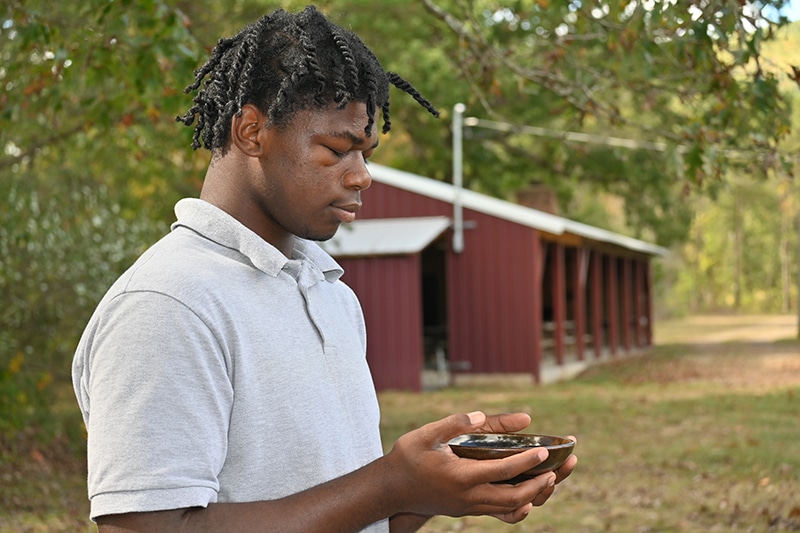
Research shows that boys experiencing chronic aggression, academic difficulties, and social problems in elementary years are at significantly higher risk for serious problems later. The same research demonstrates that early intervention can interrupt these trajectories before they become entrenched patterns.
Timing matters because young brains haven’t locked into patterns yet. A seventh grader who’s behind in reading can catch up with the right help. A ninth grader who’s learned disrespect can learn what respect actually looks like when he’s around people who show it and expect it.
Wait until high school, and everything gets harder. Academic gaps widen. Behavioral patterns harden. Peer groups solidify. What could have been addressed with structured support now requires intensive intervention – or worse, becomes a pattern that follows him into adulthood.
How Boys Home Provides Academic Support for Struggling Students
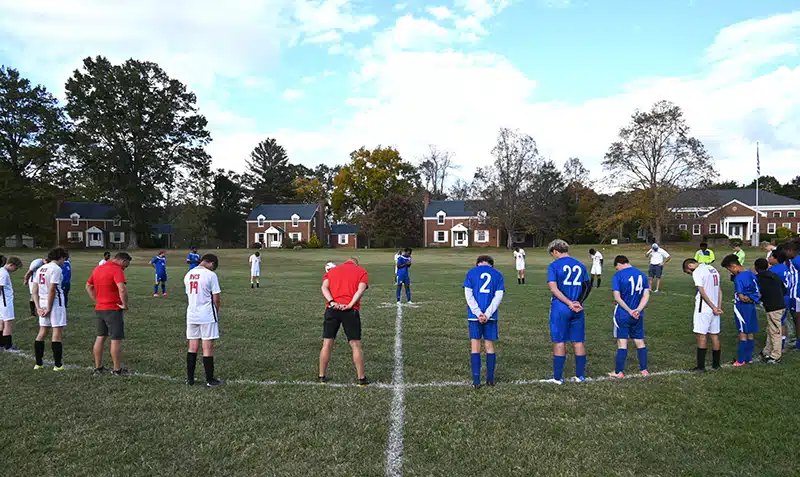
Boys Home tackles academics, character, and life skills together instead of treating them as separate problems.
Small Class Sizes Make a Difference
With a low student-to-teacher ratio, your son can’t disappear in a crowd. When he’s confused, the teacher sees it immediately and changes how they’re teaching.
Catching Up Academically
Most students arrive behind, sometimes years behind, in math and reading. With one-on-one instruction, students jump three or more grade levels in math and at least two in reading each year. When your son sees himself actually getting better at something he thought he was terrible at, that changes how he sees himself.
Structure That Builds Success
Morning study happens daily. Homework has a time and place. Expectations don’t shift around. Students figure out how to organize their work and get it done. These habits stick.
Character Development Alongside Academics
Bad grades usually aren’t just about academics. There’s disrespect underneath, or poor self-control, or he’s just given up. Boys Home addresses respect, discipline, and responsibility alongside the schoolwork because you can’t fix one without the other.
Preventing Students From Falling Behind Further
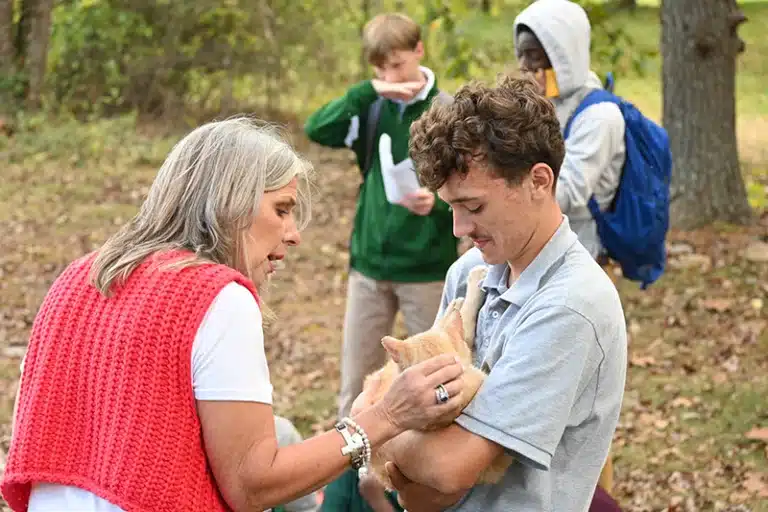
The residential setting means early learning support continues after school ends. Students build skills through actual practice:
Daily Responsibilities
Morning chores, farm work, and keeping the campus maintained. Work ethic and follow-through are practiced daily. Finishing a job correctly uses the same muscles as finishing homework correctly.
Mentorship and Role Models
Living with trained staff means watching responsible adults handle regular life. Students see what respectful, disciplined men look like in action, not theory.
Peer Community
Everyone here is working to improve. Your son isn’t labeled “the problem kid.” He’s surrounded by others trying to do better, which creates the right kind of pressure.
Hands-On Learning
Farm work, sports, and real jobs. Doing instead of just listening. Students who hate traditional classroom work often excel here, which rebuilds confidence that carries over.
Signs Your Son May Benefit From Boys Home

Young men who benefit most are those with the ability to adapt to structure and who are open – at least gradually – to positive adult relationships. Young men who want a fresh start and are willing to try new activities, such as sports, academics, or leadership opportunities, typically grow the most.
Consider Boys Home if:
- Your son is falling behind academically despite having the ability
- Traditional school interventions and local solutions haven’t been enough to turn things around
- Disrespectful behavior is becoming more frequent and severe
- You see warning signs but don’t know how to interrupt the pattern
- Your home situation makes it difficult to provide the structure he needs
- He lacks positive male role models or consistent guidance
- You want to prevent problems from escalating to a crisis level
- Your son can function within daily routines and expectations
Remember, seeking help early is a sign of strength, not weakness. It means you recognize your son needs more than his current environment provides and you’re willing to take action.
Talking with our admissions team, visiting campus, and hearing from current families can help you make an informed decision. We’re here to help you determine if Boys Home is the right environment for your son’s growth.
Students Who May Need Different Support
While Boys Home helps many young men, we’re not the right fit for everyone. Consider other options if your son is:
- Struggling with severe mental illness (such as psychosis or active suicidal behavior) that requires clinical or hospital-level care
- Involved in substance abuse that requires medical detox or intensive treatment
- Severely resistant to authority or unable to function in a community setting without posing safety risks
- In need of constant medical attention that exceeds what the Boys Home staff can provide
In these cases, therapeutic residential programs, medical treatment centers, or specialized schools may better meet your son’s needs.
Taking the First Step
If you’re seeing warning signs in your son, don’t wait for problems to escalate. Early academic intervention and character development can change his entire life trajectory.
Boys Home provides a structured, supportive environment where struggling students can catch up academically, develop character, and build the foundation for future success – all before problems become crises requiring more intensive intervention.
Contact us today to discuss whether Boys Home might be right for your son. Our admissions team can help you evaluate if Boys Home is the right fit and answer questions about how we support each young man’s growth. We’re here to help families during that critical window when intervention can make all the difference.